
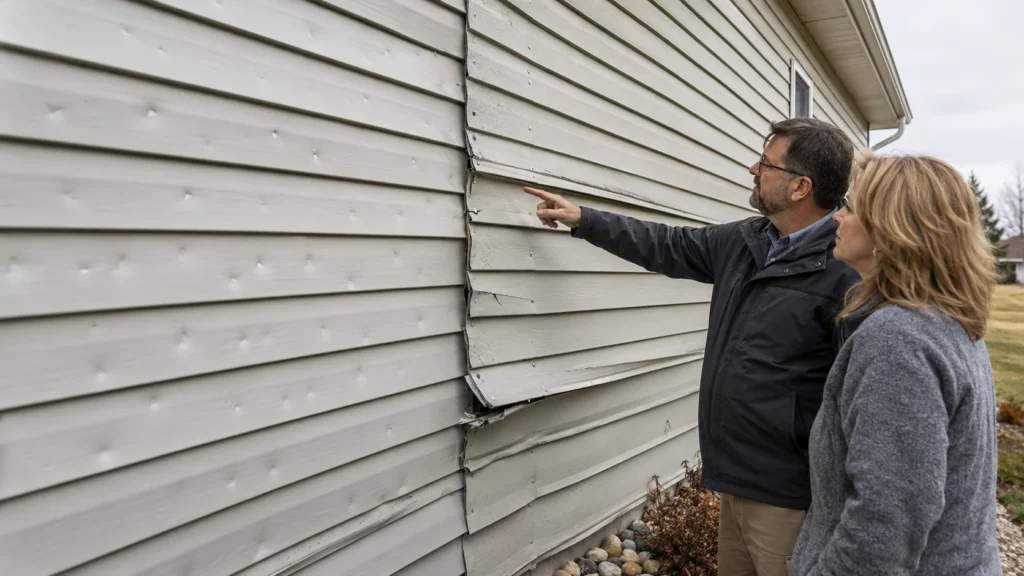
Aluminum siding hail damage insurance can become complicated quickly. A storm may pass through in minutes, yet the dents it leaves behind can trigger weeks of inspections, estimates, policy reviews, and repair disputes. For property owners in Hutto, the challenge is often not proving that hail fell. The harder task is showing exactly what the hail damaged, whether the policy covers that damage, and what work is reasonably required to restore the exterior. Aluminum siding handles heat, rain, and ordinary weather well. Hail is different. A fast-moving hailstone can stretch the metal inward and leave a shallow depression that does not disappear when the weather clears. Some dents are obvious. Others become visible only when sunlight crosses the wall at a low angle.
That difference matters during an insurance inspection. An adjuster may view the siding under flat midday light and see only a few impacts. A contractor may return later, stand at an angle, and identify dozens of dents across the same wall. The damage has not changed. The lighting and viewing position have. Another complication is that dented siding may still keep water outside. An insurer may describe the condition as cosmetic because the panel remains attached and no opening is visible. A property owner may see a permanently damaged exterior that cannot be restored without replacing panels. That disagreement often becomes the center of the claim. Strong documentation helps. Photographs, videos, weather records, contractor reports, product information, and written communication can show what happened and why a proposed repair may or may not work. A claim based only on visible dents is easier to challenge than one supported by organized evidence.
Do not inspect only the front of the house. Hail rarely strikes every elevation with equal force. One wall may show heavy damage while another appears almost untouched. Gutters, downspouts, window screens, roof vents, garage doors, trim, fences, and outdoor equipment can also reveal the direction and intensity of the storm. Timing matters as well. Aluminum siding can hold old dents for years, so recent and pre-existing damage may look similar. Prompt reporting gives the insurer and contractor a better chance to compare the siding with current storm data and fresh damage to nearby materials. Still, speed should not replace preparation. Before filing, review the deductible, endorsements, settlement terms, and reporting duties. Know what the policy says. Then document the property and prepare for the inspection. Matching can create another challenge. Replacement siding may look similar under warehouse lighting but noticeably different outdoors. One reason is chromatic adaptation, a visual process that affects how colors appear under different lighting conditions. On a large exterior wall, small differences in color, gloss, texture, or reflectivity can become easy to see.
The goal is not to demand unnecessary construction. It is to identify covered damage, understand practical repair limitations, and reach a scope that restores the property as required by the policy. Clear evidence matters more than frustration. Although this guide focuses on siding, many of the same claim principles appear in discussions about How a Fire Insurance Adjuster Helps You: document the cause, separate new damage from old conditions, review the policy, establish a complete repair scope, and communicate disagreements in writing.
How Hail Damages Aluminum Siding
Hail damage is not always dramatic. Some storms loosen siding, split trim, or puncture thin metal. More often, hail leaves circular or oval dents spread across exposed walls.
The severity depends on several factors:
- Hailstone size and density
- Wind speed and direction
- Thickness of the aluminum
- Age and condition of the finish
- Panel profile and backing
- Nearby trees, fences, or buildings
- Distance between the storm core and the property
Large hail driven by strong wind can crease panels, distort seams, loosen fasteners, and bend corners. Smaller hail may create clusters of shallow impressions. Those marks can still be permanent even when they are difficult to photograph. Painted aluminum creates another concern. An impact can chip, crack, or loosen the protective coating. Once the finish is compromised, exposed metal may react with moisture and airborne contaminants. The panel may continue functioning for a period, yet its appearance and service life may change. Pay close attention around windows, doors, corners, utility penetrations, and lower edges. These areas contain trim pieces, folds, joints, and fastening points that may respond differently than the broad face of the panel.
Is Aluminum Siding Hail Damage Covered?
Many homeowners policies cover sudden and accidental hail damage. That does not mean every dent automatically produces a payment. Coverage depends on the policy language. The declarations page gives basic information about limits and deductibles, but important restrictions often appear in endorsements and exclusions. These documents may change how the policy handles cosmetic damage, matching, depreciation, replacement cost, and exterior materials.
When reviewing aluminum siding hail damage insurance, answer five questions:
- Is hail listed as a covered cause of loss?
- Does the policy include a cosmetic-damage exclusion?
- Is the siding settled at replacement cost or actual cash value?
- Does the policy address matching or undamaged property?
- Is there a separate wind or hail deductible?
A policy may cover physical hail damage but exclude dents that affect only appearance. Another may cover the siding while applying depreciation because of age. A replacement-cost policy may initially withhold part of the payment until repairs are completed. Ask the insurer to identify the exact policy language supporting any limitation or denial. Read that provision together with the definitions, conditions, and endorsements that may modify it. One paragraph rarely tells the entire story.
Cosmetic Damage Versus Functional Damage
This distinction creates many siding disputes. Cosmetic damage generally changes appearance without preventing the material from performing its intended function. Functional damage affects the material’s ability to attach, seal, drain, protect, or operate as designed.
The line between the two is not always clear. A dented panel may still shed water. However, the impact may have stretched the metal, cracked the finish, shifted an interlock, loosened a fastener, or created a low point where water and debris collect. The panel may also be impossible to remove without bending neighboring sections.
Ask these questions during the inspection:
- Has the coating cracked, chipped, or separated?
- Are seams open or distorted?
- Have panels pulled away from the wall?
- Are fasteners loose?
- Is bare metal exposed?
- Can individual panels be removed safely?
- Are compatible replacement panels available?
- Will the repair preserve the original pattern and appearance?
An insurer may focus on whether rain currently enters the building. A contractor may focus on whether the siding can be repaired without damaging surrounding material. Both issues matter, but they are not the same. When damage is labeled cosmetic, request the conclusion in writing. Ask whether the coating, seams, attachment points, and repair method were evaluated.
Signs of Aluminum Siding Hail Damage
Start with the walls most exposed to the storm, but inspect the entire exterior.
Common signs include:
- Circular dents across panel faces
- Crescent-shaped marks along ridges
- Chipped or cracked paint
- Bright metal showing beneath the finish
- Creased or bowed panels
- Bent lower edges
- Distorted seams
- Loose sections
- Dented corner posts
- Impact marks on window wraps
- Fresh dents in gutters and downspouts
Take wide photographs to establish location and close-up images to capture individual impacts. Label each image by elevation, such as front, rear, left, or right. Lighting is critical. Photograph the siding at different times of day. Position the camera at a shallow angle so shadows and reflections reveal the dents. A direct photograph taken under flat light may hide shallow damage.
Video can help too. Move slowly along the wall while keeping the light reflection visible. As the angle changes, dents may appear and disappear. That movement can show the impact pattern more effectively than a single photograph. Avoid permanent spray paint, heavy chalk, or aggressive cleaning. These actions can alter the surface and create confusion about the original condition.
What to Do After a Hailstorm
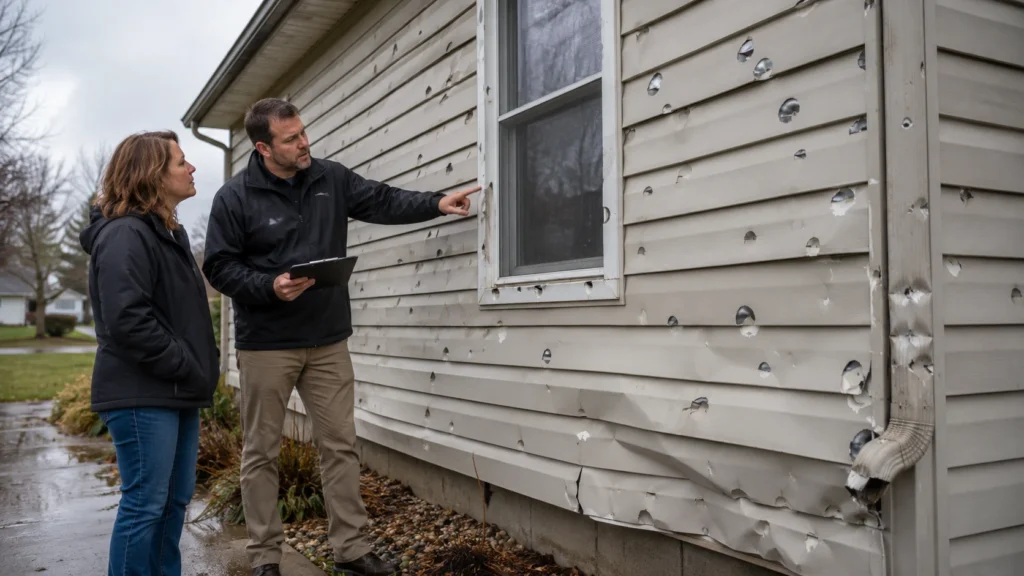
Safety comes first. Do not climb onto a wet roof or place a ladder against damaged gutters. Most siding documentation can be completed from the ground. Once conditions are safe, follow these steps.
Record the storm details
Write down the date, approximate time, duration, and wind direction. Save weather alerts, photographs of hailstones, and messages from neighbors or local authorities.
Photograph before cleanup
Capture every elevation, including walls that appear undamaged. Photograph gutters, screens, roof edges, doors, windows, fences, HVAC equipment, sheds, and outdoor fixtures.
Protect open areas
If panels are punctured or pulled away, arrange temporary protection. Keep photographs and invoices for emergency work.
Avoid permanent repairs too early
Temporary measures may be necessary. However, full repairs should usually wait until the insurer has had a reasonable opportunity to inspect, unless delay would cause further damage.
Review the policy
Confirm the deductible, reporting requirements, temporary-repair duties, settlement terms, and deadlines.
Create a claim file
Store policies, photographs, estimates, letters, emails, receipts, notes, and payment records in one organized folder. Record the name and date of each important phone call.
How Insurance Companies Inspect Aluminum Siding
The insurer will usually assign an adjuster. That person may work directly for the carrier or operate as an independent contractor.
During the inspection, the adjuster may:
- Walk around the property
- Photograph each wall
- Examine gutters and soft metals
- Look for roof or window damage
- Measure affected elevations
- Note age-related wear
- Estimate repair or replacement costs
- Compare observations with storm information
Attend the inspection when possible. You do not need to control the process, but you should know which areas were examined and whether the adjuster saw the damage you documented. Show useful photographs or videos taken under better lighting. Point out coating damage, bent seams, and impacts around trim. Stay factual. After the inspection, request the estimate and coverage explanation. Review the material descriptions, measurements, quantities, labor steps, depreciation, and deductible. A payment total alone does not show whether the scope is complete.
Filing the Claim
A clear first report helps prevent confusion. Provide the storm date, the location of the affected property, and a basic description of the observed damage. Avoid making technical claims you cannot yet support.
Ask for:
- The claim number
- The adjuster’s contact information
- Inspection scheduling instructions
- Emergency-repair requirements
- Document-submission procedures
- Applicable deadlines
Before the inspection, prepare a basic damage inventory.
| Area | Observed Condition | Evidence |
| Front wall | Dents near garage and windows | Photos and video |
| Right wall | Dense impact pattern | Contractor notes |
| Rear wall | Bent trim and damaged screen | Close-up images |
| Left wall | Limited visible damage | Overview photos |
| Gutters | Multiple fresh dents | Ground-level images |
| Downspouts | Directional impact marks | Video walkthrough |
This simple table gives the inspection structure and reduces the chance that an area is overlooked.
Repairing Versus Replacing Aluminum Siding
Repair may sound straightforward. Remove the dented panel and install a new one. In practice, aluminum siding systems can make that difficult. Panels usually interlock. Reaching a damaged section may require unlocking or lifting panels above it. Older aluminum may be less flexible, and the process can scratch, crease, bend, or crack nearby material. Fasteners and concealed edges may also be difficult to reach.
A proper repair assessment should consider:
- Location of the damaged panel
- Number and density of dents
- Flexibility of surrounding siding
- Availability of compatible material
- Panel width, profile, and thickness
- Finish, color, and texture
- Labor needed to disassemble the system
- Risk of damaging adjacent sections
One isolated dent near an accessible edge may be repairable. Hundreds of impacts across a wall create a different problem. Ask the contractor to explain the exact repair sequence. The estimate should reflect real construction steps, not an assumption that one panel can be removed without affecting anything around it.
Matching Problems With Older Siding
Matching is a frequent issue in aluminum siding hail damage insurance claims. Manufacturers change colors, dimensions, coatings, profiles, and locking systems. Some products are discontinued entirely. Even when a similar panel exists, it may not connect correctly to the original siding. Weathering adds another problem. Sunlight, rain, cleaning products, oxidation, and airborne contaminants can change the appearance of older panels. A newly manufactured piece may contrast with siding that has been exposed for many years.
Matching involves more than color.
| Characteristic | Why It Matters |
| Color | New and weathered panels may contrast |
| Profile | Ridges and shadow lines must align |
| Width | Different exposure changes the wall pattern |
| Texture | Smooth and embossed surfaces reflect light differently |
| Gloss | Sheen variations can be obvious |
| Thickness | Panels may not interlock properly |
| Coating | Different finishes may age differently |
Ask whether the replacement product is physically compatible, not merely similar in appearance. A sample that looks acceptable in a photograph may fail during installation. A siding supplier or contractor can provide useful written evidence when the original product is unavailable. Product searches, sample comparisons, and repair explanations can support the claim.
How the Claim Is Valued
Coverage and valuation are separate issues. Coverage determines whether the policy responds. Valuation determines how much the covered loss is worth.
Replacement cost value
Replacement cost generally reflects the estimated cost to repair or replace covered property with comparable materials without initially subtracting depreciation.
Actual cash value
Actual cash value often reflects replacement cost minus depreciation, although the exact meaning may depend on the policy and applicable law.
Recoverable depreciation
Some policies release withheld depreciation after qualifying repairs are completed and documented.
Nonrecoverable depreciation
Under certain policies, some or all depreciation may remain permanently withheld.
Deductible
The deductible is the policyholder’s share of the covered loss. Hail may have a separate percentage-based deductible rather than a flat amount.
Here is a simplified example:
| Claim Component | Amount |
| Estimated replacement cost | $32,000 |
| Depreciation | $9,000 |
| Actual cash value | $23,000 |
| Deductible | $5,000 |
| Initial payment | $18,000 |
Other limits, prior payments, taxes, and policy terms may change the final amount. Review the estimate line by line. Confirm that it includes removal, disposal, replacement panels, trim, corners, starter pieces, access, permits, and necessary labor. Missing work can affect the claim more than a small pricing difference.
Common Reasons Claims Are Underpaid or Denied
Several issues appear repeatedly.
The dents are called cosmetic
The carrier may argue that the panels still function. Review the exact endorsement and document coating damage, seam distortion, attachment problems, and repair limitations.
The damage is blamed on age
Use recent weather information, directional patterns, collateral impacts, earlier photographs, and maintenance records to distinguish new damage from old conditions.
Only spot repairs are included
The estimate may cover a few panels even though removing them would disturb surrounding material. Obtain a detailed repair explanation.
Matching is rejected
The insurer may claim that a close match is sufficient or that undamaged siding is outside the coverage. Request the supporting policy language and reasoning.
The estimate falls below the deductible
Confirm that every elevation, trim piece, accessory, and necessary labor step was included.
The claim was reported late
Delay can make timing and cause harder to establish. Report suspected damage promptly and comply with policy duties.
When Only Spot Repairs Are Approved
Do not reject spot repair simply because full replacement is preferred. Test whether the proposed work is practical.
Ask the insurer to identify:
- The exact panels to be replaced
- The replacement product
- Where the product is available
- How workers will access the area
- How adjoining panels will be protected
- How matching was evaluated
- Whether the estimate includes unavoidable disturbance
- What happens if more panels are damaged during removal
Then ask a qualified contractor to evaluate the method. A detailed explanation of the installation sequence carries more value than a general statement that all siding must be replaced. Destructive testing should not be performed without discussing it with the insurer and confirming responsibility for restoring the test area.
Building a Strong Claim
A strong claim is organized, specific, and supported. For aluminum siding hail damage insurance, address four issues.
Cause
Document when the storm occurred and how the impact pattern matches the direction of the hail. Include damage to gutters, roof vents, screens, and other exterior surfaces.
Scope
Show every affected elevation and component through photographs, measurements, videos, diagrams, and estimates.
Repairability
Explain how the siding is assembled, what must be removed, and what surrounding material may be disturbed.
Cost
Use a detailed estimate based on local labor, material availability, access, and the actual repair sequence.
Label files clearly. Names such as “rear-wall-dents-01” or “right-corner-coating-damage” make evidence easier to review. Include a cover page listing the documents in the submission. Organization helps the adjuster confirm what was received and reduces unnecessary back-and-forth.
Working With Contractors
Choose a contractor familiar with aluminum siding. General exterior experience helps, but older aluminum systems have repair challenges that differ from vinyl or fiber cement.
Ask:
- Have you repaired interlocking aluminum siding?
- Can you identify the profile and manufacturer?
- Can you locate compatible panels?
- What must be removed to reach the damage?
- Could adjacent panels bend or crack?
- Can you document why the repair will or will not work?
- Does the estimate include all accessories and labor?
Avoid estimates that show only a total price. Line-item estimates make it easier to compare the contractor’s scope with the insurer’s scope. Review contracts carefully. Understand cancellation terms, deposits, payment schedules, change orders, and responsibility for costs not paid by insurance.
When to Consider a Public Adjuster
A public adjuster represents the policyholder in preparing and presenting a property insurance claim, subject to licensing requirements and the service agreement.
Professional assistance may be useful when:
- Several walls are damaged
- A cosmetic exclusion is disputed
- Matching materials cannot be found
- The repair method is unrealistic
- Major work is missing from the estimate
- Depreciation appears excessive
- Supplements have not resolved the disagreement
A public adjuster may review the policy, document damage, prepare estimates, attend inspections, and communicate with the insurer. However, no professional can rewrite the policy or guarantee a settlement. Property owners in Hutto should verify licensing, experience, fees, references, and contract terms before hiring anyone. Ask specifically about aluminum siding, discontinued materials, and matching disputes.
Options for Resolving a Dispute
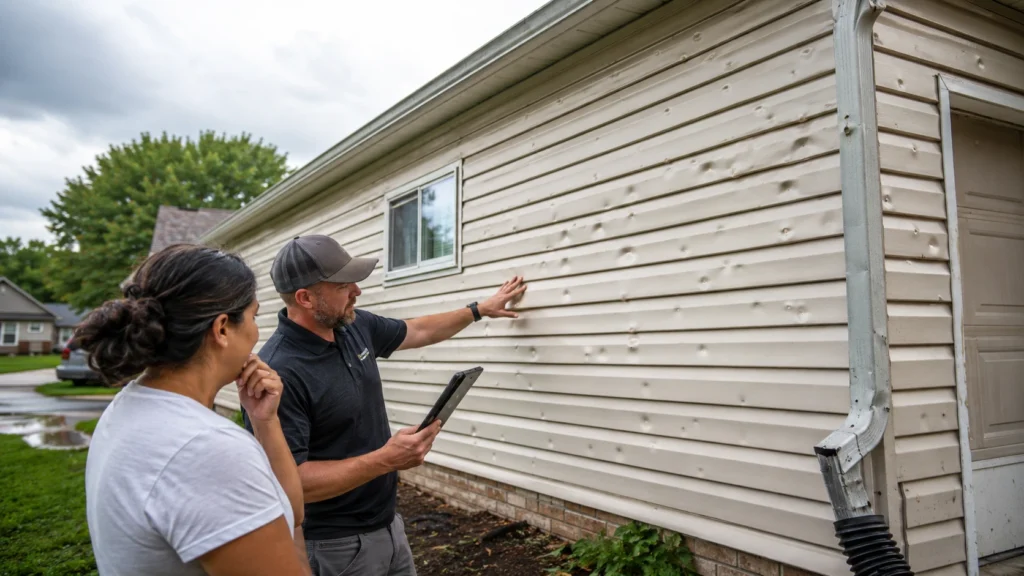
A disagreement does not always require immediate legal action.
Request clarification
Ask the insurer to identify the facts and policy provisions supporting its decision.
Submit a supplement
Provide additional photographs, contractor reports, estimates, invoices, or product research.
Request a reinspection
A second visit may help when lighting was poor, damage was missed, or new repair information becomes available.
Review the appraisal provision
Some policies allow appraisal for disagreements about the amount of loss. Appraisal may not determine whether coverage exists, so read the provision carefully.
Consult an attorney
Legal advice may be appropriate when the dispute concerns policy interpretation, deadlines, claim handling, or a formal denial.
Mistakes to Avoid
Avoid these common errors:
- Waiting too long to photograph the property
- Assuming every dent is covered
- Discarding removed siding
- Completing permanent repairs before documentation
- Relying only on verbal promises
- Accepting an estimate without reviewing the scope
- Ignoring endorsements
- Missing depreciation or repair deadlines
- Submitting disorganized evidence
- Exaggerating the condition of the property
Accuracy builds credibility. If one wall is severely damaged and another is not, document the difference. Do not approach the claim only as a negotiation over money. Start with the repair method, policy terms, material availability, measurements, and documented costs. The amount should follow the evidence.
Aluminum Siding Hail Damage Claim Checklist
Keep the following items in the claim file:
- Full policy and endorsements
- Declarations page
- Storm date and time
- Weather records
- Photographs of every wall
- Close-ups of dents and coating damage
- Videos under angled light
- Images of collateral damage
- Contractor inspection report
- Material identification
- Product-availability research
- Repairability explanation
- Line-item estimate
- Insurer estimate
- Coverage letter
- Depreciation calculation
- Deductible confirmation
- Communication log
- Temporary-repair invoices
- Proof of completed work
- Calendar of deadlines
Review the file before each important call or inspection. Knowing what has already been submitted prevents contradictions and repeated requests.
Final Thoughts
Aluminum siding hail damage insurance claims often turn on details that are easy to miss. The dents matter, but so do the coating, seams, installation system, matching conditions, product availability, deductible, endorsements, and depreciation. Document the property early. Photograph every elevation under useful lighting. Read the policy instead of relying on a brief summary. Ask contractors and adjusters to explain their conclusions in practical terms.
A reasonable claim does not begin with a demand for the largest possible payment. It begins with a simpler question: what work is actually required to restore the covered damage under the policy? Answer that question with clear evidence, and the aluminum siding hail damage insurance process becomes easier to evaluate, explain, and pursue.
FAQs
Does homeowners insurance cover hail damage to aluminum siding?
Most homeowners policies cover sudden hail damage, although cosmetic-damage exclusions, deductibles, and other endorsements may limit payment.
An insurer may classify shallow dents as cosmetic when the siding still functions, but cracked coatings, distorted seams, or loose panels may indicate more serious damage.
Review the estimated repair cost and your hail deductible first. Filing may make sense when damage is widespread or affects siding, gutters, trim, roofing, and other exterior components.
Take wide and close-up photographs from different angles, record videos under angled light, and document damage to all elevations and nearby exterior materials.
Sometimes, but interlocking panels can be difficult to remove without bending or damaging surrounding siding. Material availability and panel condition also affect repairability.
A contractor or supplier can document discontinued materials and explain whether available panels differ in profile, dimensions, color, texture, or locking design.
The insurer may believe isolated panels can be replaced while leaving undamaged siding intact. A qualified contractor can assess whether that method is physically possible and visually reasonable.
Depreciation may be based on the siding’s age, condition, expected lifespan, and policy terms. Some depreciation may be recoverable after qualifying repairs are completed.
A licensed public adjuster may document damage, review coverage, prepare an estimate, attend inspections, and present evidence supporting the claimed repair scope.
Request the insurer’s reasoning and supporting policy language in writing, then consider submitting additional evidence, requesting a reinspection, or seeking professional advice.