
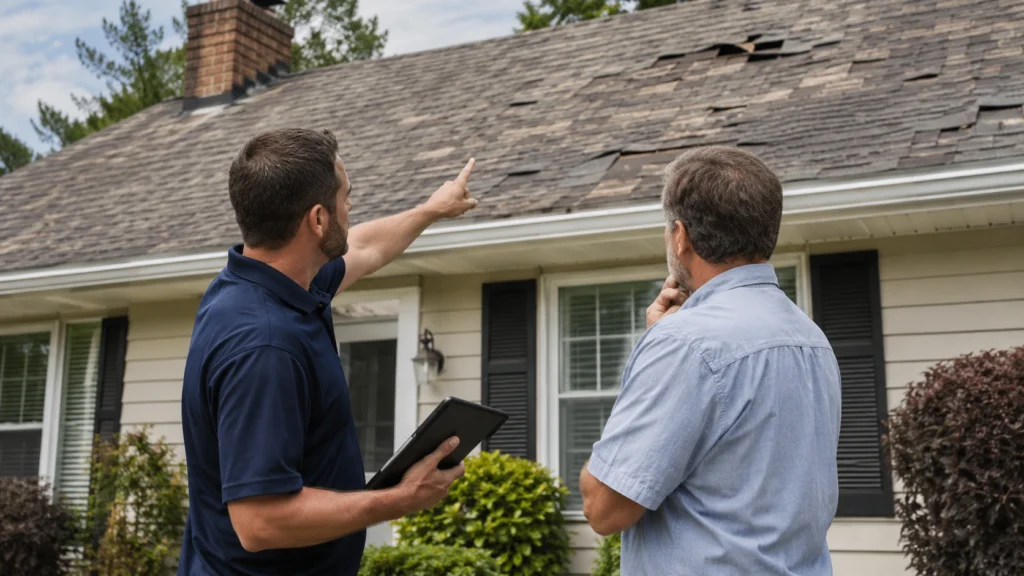
A roof leak can begin with one lifted shingle and end with soaked insulation, stained ceilings, damaged flooring, and an insurance dispute. For homeowners in Hutto, speed matters, but it is not enough. Successful roof leak insurance claims depend on the cause, the roof’s prior condition, the policy language, and the evidence submitted. That is where claims become complicated. A homeowner sees water dripping and assumes the loss is covered. The insurer may blame age, poor maintenance, installation defects, or long-term deterioration. Both sides may agree water entered while disagreeing about why.
Insurance companies evaluate the event that created the leak, not merely the stain. A policy may cover interior damage caused by wind tearing away shingles while excluding materials that deteriorated gradually. The insurer may also accept one portion and deny another. Understand that distinction before permanent repairs begin. Water also moves in ways that are not obvious. Through capillary action, moisture can travel through narrow spaces and porous materials rather than falling directly beneath the original opening. A ceiling stain may appear several feet from the damaged shingle, failed flashing, or punctured membrane. Therefore, identifying the source usually requires more than standing beneath the drip and looking upward.
Why the Cause of the Leak Matters
The cause of loss drives the coverage decision. Homeowners insurance is generally designed for sudden and accidental damage rather than predictable deterioration. A roof opening created by hail, wind, a fallen tree, or another covered event may support a claim. Conversely, a roof that slowly leaks because its shingles, flashing, sealants, or underlayment reached the end of their service life may not receive the same treatment. The hard part is proving which condition came first. Suppose a storm lifts several shingles. Rain enters the attic, wets the insulation, and stains the drywall. The resulting damage may be connected to a covered weather event. However, if the shingles were already cracked, curled, and leaking for months, the insurer may characterize the same stain as evidence of an ongoing maintenance issue.
A roof can also have old wear and new damage at the same time. An older roof is not automatically free from coverage simply because it has aged. If wind or hail creates fresh damage, the age of the roof may affect depreciation or settlement value, but it does not by itself erase the event. After severe weather in Hutto, owners should not wait for water to reach the living area before checking the property. Walk around the exterior from the ground, look for displaced materials, and inspect accessible attic areas safely. Missing shingles, bent flashing, fallen limbs, granules near downspouts, fresh ceiling marks, and damp insulation deserve prompt attention.
What to Do Immediately After Finding a Leak
Safety comes first. Do not climb onto a wet or storm-damaged roof. Water can make roofing materials dangerously slippery, while concealed structural damage may make certain areas unstable. Keep people away from bulging ceilings, wet electrical fixtures, and standing water near outlets. Shut off electricity to the affected area when it can be done safely, or contact an electrician when there is any doubt. Next, limit additional damage without erasing evidence. Place containers beneath active drips. Move furniture, electronics, rugs, and other belongings away from wet areas. Cover items that cannot be relocated. When conditions permit, arrange for a qualified contractor to install an emergency tarp or perform another temporary repair.
Do not rush into permanent reconstruction. A policyholder normally has a responsibility to take reasonable steps to prevent avoidable damage after a loss. That does not mean tearing out every wet material before anyone documents it. Photograph the conditions first, preserve removed materials when practical, and keep every invoice. Emergency mitigation should protect the property while maintaining a record of what happened. The goal is to stop further damage while preserving photographs, samples, measurements, and written observations that explain the condition before repair.
Document the Roof and Interior
Strong documentation connects the event, the opening, and the resulting damage. Begin outside. From a safe location, photograph every roof slope, not only the area believed to be leaking. Capture wide views showing the overall condition and close images of missing shingles, exposed underlayment, displaced flashing, fallen branches, punctures, bent vents, damaged gutters, or debris. Then document the interior. Record ceiling stains, wet walls, bubbling paint, warped floors, damaged cabinets, soaked insulation, affected furniture, and water near electrical components. Take both wide and close photographs. Wide images establish location; close images show texture, saturation, cracking, separation, or staining.
Create a written timeline while the details are fresh. Record the suspected date of the weather event, when the leak was first noticed, who discovered it, which rooms were affected, what emergency steps were taken, and when the insurer was notified. Add contractor visits, inspection dates, repair dates, and every important conversation with the insurance company. An Appraisal for Hail Damage Claim may later become relevant when the insurer and policyholder agree that covered damage exists but disagree about the amount required to repair it. Appraisal is not automatically the right response to every roof leak dispute, especially when the main issue is whether the policy covers the loss at all. Identify the nature of the disagreement before choosing a formal dispute process.
Build an Evidence File
Do not scatter the claim record across text messages, paper receipts, email accounts, and hundreds of unnamed photographs. Create one organized digital folder and back it up. A practical claim file should contain the policy, declarations page, claim number, photographs, videos, weather information, inspection reports, emergency mitigation records, moisture readings, contractor estimates, invoices, damaged material samples, personal property records, temporary housing expenses, letters, and payment summaries. Use descriptive file names. “Living Room Ceiling Before Mitigation July 12” is more useful than “IMG_4837.” Small organizational choices prevent confusion when dozens of documents must be reviewed months later.
A simple folder structure can help:
- Policy and declarations
- Photos and videos
- Roof and interior inspections
- Contractor estimates
- Mitigation and drying records
- Personal property
- Temporary living expenses
- Insurance letters and emails
- Payments and depreciation
- Final invoices and completion records
Keep a communication log as well. Record the date, person, method, subject, and outcome of each conversation. Confirm important phone discussions by email. Written follow-up reduces misunderstandings and creates a clear record of requests, promises, and unresolved issues.
Review the Policy Before Assuming Coverage
A roof leak claim cannot be evaluated accurately by reading the declarations page alone. The declarations identify limits, deductibles, and endorsements, but the complete policy explains what is covered, what is excluded, and what duties apply after a loss. Look for provisions addressing dwelling coverage, personal property, additional living expenses, water damage limitations, mold restrictions, roof surface payment schedules, cosmetic damage exclusions, matching restrictions, ordinance or law coverage, replacement cost requirements, duties after loss, and claim deadlines.
Read endorsements carefully. An endorsement can add coverage, remove coverage, or change how a roof settlement is calculated. Two neighbors with similar homes and the same insurer may receive different outcomes because their policies contain different forms. Pay special attention to the deductible. Texas policies often carry a separate wind or hail deductible, sometimes calculated as a percentage of the insured dwelling limit. A two percent deductible on a high-value home can be substantial. Coverage may exist, yet the approved amount may still fall below the deductible.
Common Reasons Claims Are Denied
Denial letters often rely on one or more recurring explanations.
Wear and Tear
Roofing materials deteriorate. Shingles lose granules, sealants crack, metal corrodes, fasteners loosen, and membranes weaken. Insurance is not generally intended to pay for ordinary aging or routine replacement.
Long-Term Leakage
Repeated seepage may leave dark staining, fungal growth, rusted fasteners, deteriorated decking, softened wood, or several layers of earlier repairs. These conditions can lead an insurer to argue that the leak existed before the reported date.
Improper Installation
Incorrect flashing, poorly driven nails, inadequate overlaps, exposed fasteners, or badly sealed penetrations may allow water entry. When installation defects caused the leak, the insurer may deny the faulty work while separately evaluating resulting damage under the policy.
Late Reporting
A delayed report makes the timeline harder to verify. Weather records become less useful, roofing conditions change, and damaged materials may be discarded. Waiting also gives moisture time to spread.
Insufficient Evidence
A photograph of a ceiling stain proves that a stain exists. It does not prove when the opening occurred or what caused it. A complete claim requires evidence of both the source and the resulting loss.
Damage Below the Deductible
A covered event may still produce no payment when the reasonable repair cost does not exceed the applicable deductible. That is why property owners should understand the deductible before assuming a small leak will generate a settlement.
Sudden Damage Versus Gradual Deterioration
This is often the central dispute in roof leak insurance claims. Fresh storm damage may show sharp fractures, newly displaced materials, clean impact marks, torn seals, new creases, or debris corresponding with the reported event. Long-term deterioration may show rounded edges, extensive fading, old sealant, corrosion, rot, multiple repair attempts, or staining that developed over time.
Appearance alone does not always settle the matter. A roof can have both age-related wear and new storm damage. An insurer should not automatically treat every damaged component as excluded merely because the roof is older. Consider a twelve-year-old roof that was functioning before a windstorm. If wind lifts a section of shingles and creates an opening, the pre-loss age may affect valuation or depreciation, but it does not automatically eliminate coverage. The key questions are whether a covered event caused direct damage and what repairs are reasonably necessary because of that event.
Hidden Damage Can Cost More Than the Roof Repair
The visible drip may represent only a small portion of the loss. Water can wet insulation, travel along framing, enter wall cavities, damage electrical components, loosen flooring, affect cabinets, and create conditions that support microbial growth. By the time a stain appears, moisture may already have spread beyond the visible boundary. A qualified inspection may include moisture measurements, attic observations, examination of roof penetrations and flashing, limited removal of affected finishes, evaluation of insulation, electrical safety checks, and structural assessment when framing is damaged.
Thermal imaging can help identify temperature differences that deserve further investigation, but it does not independently prove moisture or establish the cause of loss. Findings should be confirmed through direct inspection or appropriate meters. Do not assume that everything wet must automatically be replaced. Some materials can be dried safely. Others lose strength, shape, insulation value, or sanitary condition. The repair scope should reflect the material, duration of exposure, contamination level, and manufacturer requirements.
The Claim May Extend Beyond the Roof
A complete scope should account for all covered damage caused by the event. Replacing several roof components may require removing and reinstalling surrounding materials to create a watertight repair. Interior work may involve demolition, drying, insulation, drywall, texture, primer, paint, trim, flooring, cabinets, electrical fixtures, and cleanup.
Personal property may also be affected. Photograph damaged furniture, electronics, clothing, rugs, documents, and stored belongings before cleaning or disposal. Record the item, brand, model, approximate age, condition before the loss, original cost when known, and current replacement cost. When the home cannot be occupied safely, the policy may provide additional living expense coverage. This can include reasonable increases in lodging, meals, laundry, pet boarding, or transportation, depending on the policy and circumstances. Keep receipts and document why each expense was necessary.
Roof Age and Claim Payments
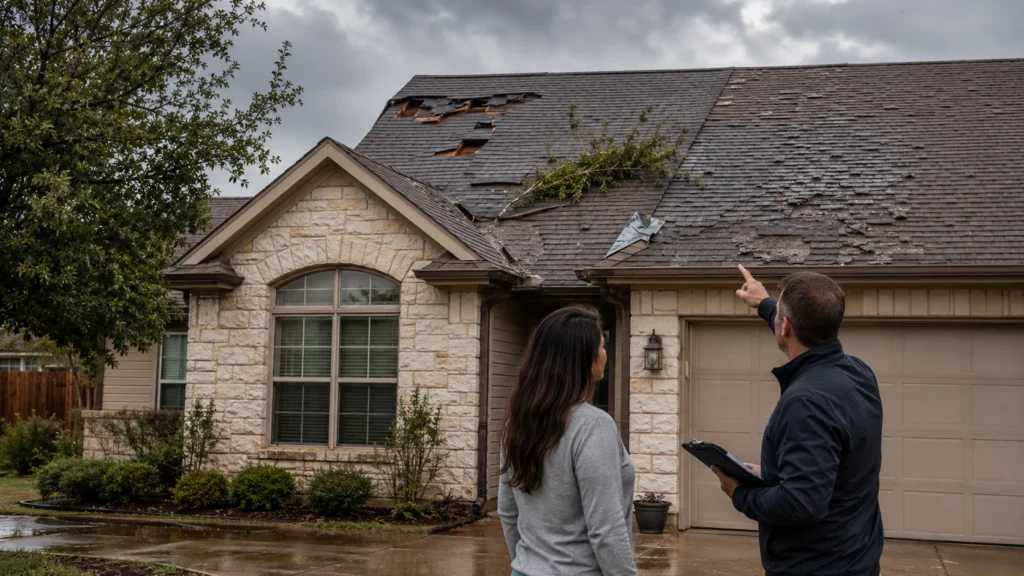
Roof age can affect how the insurer calculates payment. Some policies cover roof damage on a replacement cost basis. Others use actual cash value, a roof payment schedule, or an endorsement that reduces payment as the roof ages. The declarations and endorsements should reveal which method applies.
| Settlement term | General meaning |
| Replacement cost value | Estimated cost to repair or replace with comparable materials without deducting depreciation, subject to policy terms |
| Actual cash value | Replacement cost minus depreciation |
| Depreciation | Reduction based on age, condition, expected life, or policy factors |
| Recoverable depreciation | Amount potentially released after qualifying repairs are completed |
| Nonrecoverable depreciation | Depreciation the policy does not allow the owner to recover |
| Roof payment schedule | Predetermined percentage or calculation based on roof age or material |
Ask the adjuster to explain every figure. The estimate should identify replacement cost, depreciation, deductible, prior payments, and net amount. Do not accept a one-line total without understanding the calculation. When depreciation is recoverable, check the deadline and documentation requirements. The insurer may require signed contracts, invoices, photographs, proof of payment, or completion records before releasing remaining funds.
Do Not Repair Everything Before Approval
Emergency work and permanent reconstruction are different. Temporary measures are often necessary to stop further water entry. Permanent roof replacement, major demolition, repainting, or disposal of materials can wait until the damage is documented unless safety requires immediate action.
When urgent permanent work cannot be delayed, create a detailed record first. Photograph every stage. Save representative samples. Ask the contractor to describe the observed cause and condition in writing. Keep measurements, invoices, permits, work orders, and disposal records. Never allow preventable damage to continue merely because the adjuster has not arrived. Protect the building. Preserve the evidence carefully while doing so.
What to Do When the Estimate Is Too Low
Start with specifics. Compare the insurer’s estimate against the contractor’s scope. Highlight missing rooms, incorrect measurements, omitted materials, inadequate labor, unavailable products, and code-related work. Submit supporting photographs and reports.
A strong supplement should answer three questions:
- What additional work is required?
- Why is it connected to the covered loss?
- How was the added cost calculated?
Avoid submitting a higher total without explanation. Detailed line items, measurements, supplier information, photographs, and technical findings give the reviewer something concrete to evaluate. Request a reinspection when the disagreement involves conditions that were missed or could not be observed during the first visit. Hidden wet insulation, damaged decking, inaccessible flashing, or newly exposed conditions may justify another inspection.
What to Do When the Claim Is Denied
Request the complete decision in writing. The denial letter should explain the insurer’s factual findings and identify the policy provisions supporting the decision. Read both carefully. A cited exclusion may be valid, but the insurer’s underlying facts may be incomplete or wrong. Compare the denial with the evidence. Was the decision based on long-term leakage even though the roofer documented fresh wind-created openings? Did the inspection overlook attic damage? Was the storm date incorrect? Did the insurer assume the property was not maintained despite available inspection records?
Respond with records, not anger. Submit photographs, maintenance documents, weather information, contractor reports, moisture findings, and a clear timeline. Ask the insurer to reconsider identified factual errors. Depending on the dispute, the owner may consider internal review, reinspection, appraisal, mediation, a regulatory complaint, professional claim assistance, or legal advice. The correct path depends on whether the disagreement concerns coverage, valuation, procedure, delay, or policy interpretation.
Coverage Dispute or Valuation Dispute?
This distinction matters. A coverage dispute asks whether the policy applies. For example, the insurer says no covered event damaged the roof. A valuation dispute assumes covered damage exists but challenges the amount required to repair it. For example, both sides agree that wind damaged the roof, but one estimate is far lower than the other. Appraisal provisions are commonly used to address the amount of loss, not to rewrite the policy or resolve every coverage issue. Before demanding appraisal, review the policy language and identify what the parties actually disagree about.
When a Public Adjuster May Help
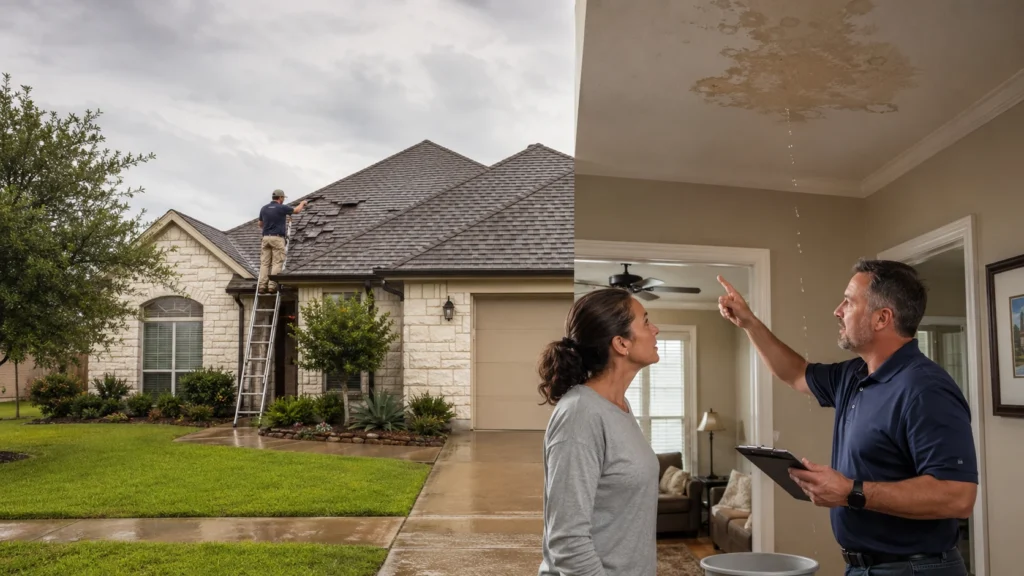
Some claims can be managed directly by an organized homeowner. Others involve extensive damage, multiple trades, disputed causation, repeated inspections, or major differences between estimates. A public adjuster represents the policyholder in documenting and presenting the claim. The work may include inspecting the property, developing the repair scope, organizing evidence, reviewing estimates, communicating with the insurer, and preparing supplements.
A public adjuster may be useful when the roof and interior both suffered extensive damage, the insurer attributes new damage to old wear, important scope items are repeatedly omitted, the documentation has become difficult to manage, or the settlement does not appear to reflect the documented loss. For property owners in Hutto, local storm patterns and construction practices can add useful context, but licensing and claim experience matter more than proximity alone. Review the adjuster’s license, written contract, fee structure, duties, references, and cancellation terms before signing.
Mistakes That Weaken Roof Leak Insurance Claims
Avoid these common errors:
- Waiting weeks to report an active leak
- Guessing about the date or cause
- Discarding damaged materials too early
- Making permanent repairs before documentation
- Ignoring attic and interior damage
- Failing to keep mitigation receipts
- Allowing inconsistent statements from different contractors
- Accepting an estimate without checking the scope
- Signing open-ended work authorizations
- Missing policy or depreciation deadlines
- Assuming a contractor can negotiate coverage
- Including unrelated repairs in the claim
Credibility matters. Describe what you know, separate observations from assumptions, and correct mistakes quickly.
Final Thoughts
Roof leak insurance claims are rarely decided by the size of the ceiling stain. They are decided by cause, timing, policy language, repair requirements, and evidence. Act quickly, but stay methodical. Protect the property, photograph conditions, preserve damaged materials, build a timeline, review the policy, and compare every estimate carefully. When the insurer’s explanation does not match the evidence, challenge the specific facts rather than making a general complaint. A roof leak can spread fast. Your response should be faster, better documented, and far more organized.
FAQs
Homeowners insurance may cover a roof leak when it results from sudden damage caused by wind, hail, falling debris, or another covered event. Leaks caused by wear, neglect, or long-term deterioration are often excluded.
Yes. Prompt reporting helps preserve evidence, limits additional damage, and reduces questions about when the leak began.
You should make reasonable temporary repairs to prevent further damage, but avoid permanent work until the roof and interior have been fully documented. Keep photographs, damaged materials, invoices, and receipts.
Useful evidence includes photographs, videos, weather records, contractor reports, moisture readings, repair estimates, maintenance records, and a written timeline of the damage.
An insurer may approve full replacement when covered damage cannot be repaired properly or compatible materials are unavailable. The decision depends on the policy, damage extent, repairability, and applicable building requirements.
Common reasons include wear and tear, long-term leakage, improper installation, delayed reporting, insufficient evidence, or repair costs below the deductible.
Yes. An older roof may receive more depreciation or be subject to an actual cash value endorsement or roof payment schedule.
Recoverable depreciation is money initially withheld from a replacement cost settlement. It may be released after eligible repairs are completed and the required documentation is submitted.
Compare the estimate with contractor findings and identify missing materials, labor, measurements, interior repairs, and code-related costs. Submit a detailed supplement supported by photographs and written estimates.
A public adjuster may help when damage is extensive, the cause is disputed, important repairs are omitted, or the claim becomes difficult to document and manage.